NPBC engages in strategic, evidence-based advocacy...
to protect the interests of Nyanza residents, communities, and the broader regional environment. Our policy positions are grounded in research, community consultation, and a commitment to sustainable development.
Core Advocacy Messages
Nuclear risks are long-term and intergenerational
Communities cannot 'avoid' contamination.
Kenya cannot realistically manage nuclear risks in Siaya without extreme financial and technical consequences
Lake Victoria is not expendable
Nuclear construction threatens millions of livelihoods and the region's ecological balance
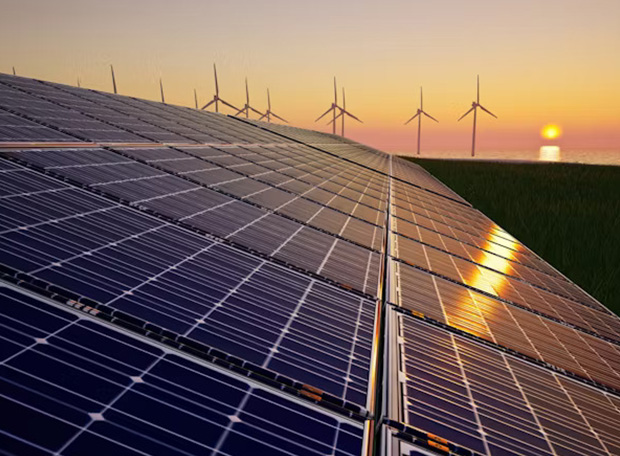
Renewables are safer, cheaper, and faster
They provide energy security without ecological devastation
Public participation is a right, not a formality
Communities must have veto power over projects that threaten their livelihoods
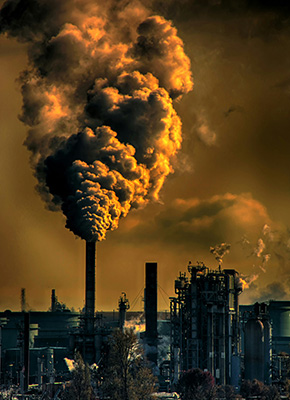
HALT the Nuclear Project in Siaya and Redirect Investments Toward Renewable Energy Solutions That Are Safe, Sustainable, and Socially Just.
Kenya is evaluating nuclear energy as a potential electricity source. The proposal to construct a nuclear plant in Siaya County near Lake Victoria poses unacceptable ecological, social, economic, and public health risks to the region and its communities.
01
Immediate Policy Recommendations
- Reject construction of the nuclear plant in Siaya due to unacceptable environmental and social risks.
- Conduct independent, transparent environmental and social audits for all nuclear proposals.
- Ensure full public consultation with Siaya communities, Lake Victoria stakeholders, and regional partners.
02
Long-Term Energy Strategy
- Prioritize renewable energy expansion over nuclear as Kenya’s primary energy growth path
- Strengthen energy planning at county and national levels aligned with environmental and financial sustainability
- Develop contingency and disaster response frameworks for any high-risk energy projects
03
Legal & Governance Framework
- Invoke constitutional rights: Articles 42, 69, and 70 — clean environment, natural resource protection, and enforceable environmental rights
- Ensure NEMA and related institutions are fully independent and resourced to enforce environmental standards
- Encourage regional collaboration with Uganda and Tanzania to prevent transboundary ecological harm
Lessons from Comparable Projects
Local opposition, environmental advocacy, and strategic litigation successfully stopped construction — demonstrating that community-led action works.
Treated water releases caused long-term regional contamination and international bans on seafood, affecting livelihoods for decades.
Local communities suffered permanent health and environmental consequences, illustrating irreversible damage in low-resource regions.
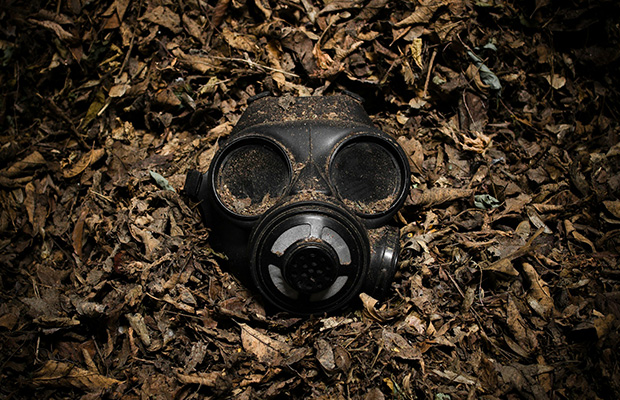
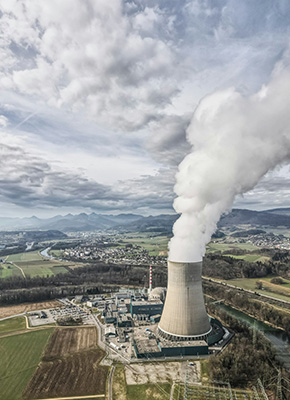
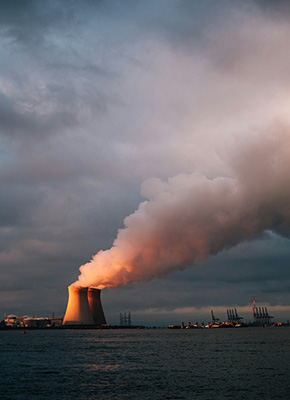
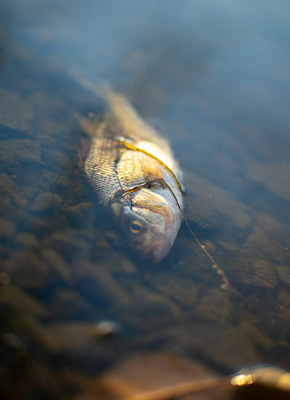
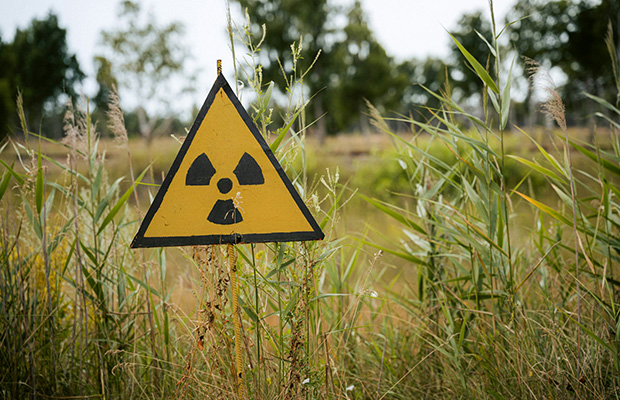
Nuclear Power in Nyanza: High-Risk Development with Irreversible Consequences
The proposed nuclear power plant near Lake Victoria poses profound environmental, public health, economic, and financial risks to the Nyanza region, a densely populated and ecologically sensitive basin that supports millions through fishing, agriculture, and cross-border trade. Lake Victoria is Africa’s largest freshwater lake and a vital resource for Kenya, Uganda, and Tanzania, making any contamination or ecological disruption a regional crisis with transboundary implications. Critics argue that existing environmental and social assessments do not meet international standards and fail to fully address nuclear waste management, thermal pollution, or ecosystem fragility, raising significant concerns about long-term safety and habitat destruction.
Community opposition—especially from local elders and civil society—highlights fears of inadequate consultation, weak emergency response capacity, and irreversible health impacts. At the same time, the enormous upfront and ongoing financial burden of nuclear infrastructure in a developing country context diverts scarce public funds from renewable alternatives that are cheaper, faster to deploy, and already underutilized, all while generating questions about Kenya’s preparedness to handle catastrophic failure or long-term radioactive waste storage.
Catastrophic Water Contamination: Risk of radioactive leakage into Lake Victoria — a primary source of drinking water, irrigation, and fisheries — with contamination bioaccumulating in fish and crops and affecting Uganda, Tanzania, and the broader Nile Basin.
Thermal Destruction of Aquatic Ecosystems: Discharge of heated cooling water (10–15°C increase) could kill fish larvae, destroy breeding grounds, reduce oxygen levels, and potentially collapse the ~800,000-metric-tonne annual fishing industry.
Irreversible Ecological Damage: Long-term radioactive pollution could permanently degrade fragile lake and terrestrial ecosystems already under environmental stress.
Severe Public Health Threats: Radiation exposure may increase cancer rates, birth defects, and genetic harm, while densely populated communities would face complex evacuation challenges during emergencies.
Intergenerational Nuclear Waste Burden: Spent nuclear fuel remains hazardous for thousands of years, requiring costly, technically complex, multi-generational management and secure storage.
Economic Collapse of Key Livelihoods: Over 85,000 direct fishing jobs and millions of indirect livelihoods in fisheries, agriculture (rice, vegetables, sugarcane), trade, and tourism could be devastated by real or perceived contamination.
Unsustainable Financial Cost and Opportunity Loss: With upfront costs of KES 500–600 billion, 10–20 years before returns, and expensive decommissioning obligations, the project diverts resources from Kenya’s already successful renewable energy sector, making nuclear an unnecessary and high-risk investment.
Safer Renewable Energy Alternatives
01
Geothermal
Kenya has abundant geothermal resources in the Rift Valley. Already proven, stable, and low-emission — operational and scaling.
02
Solar
Rapid deployment with minimal environmental footprint. Kenya is a continental leader, serving both industrial and residential sectors.
03
Wind Energy
Already successful at Lake Turkana Wind Power; scalable with low risk and a proven track record in Kenya.
04
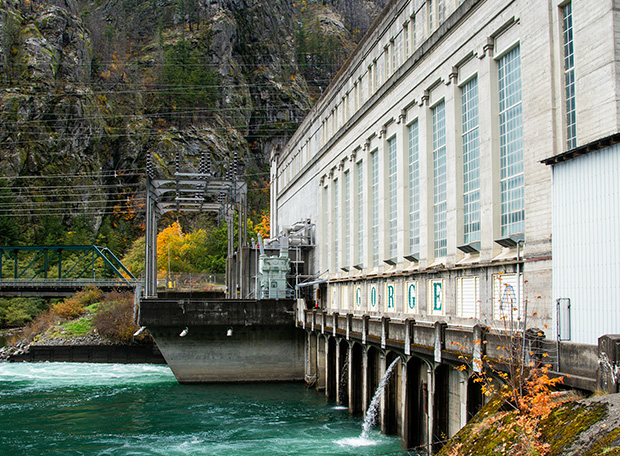
Hydropower
Supports energy access without toxic waste or radioactive risk. Deployable at community scale across the region.